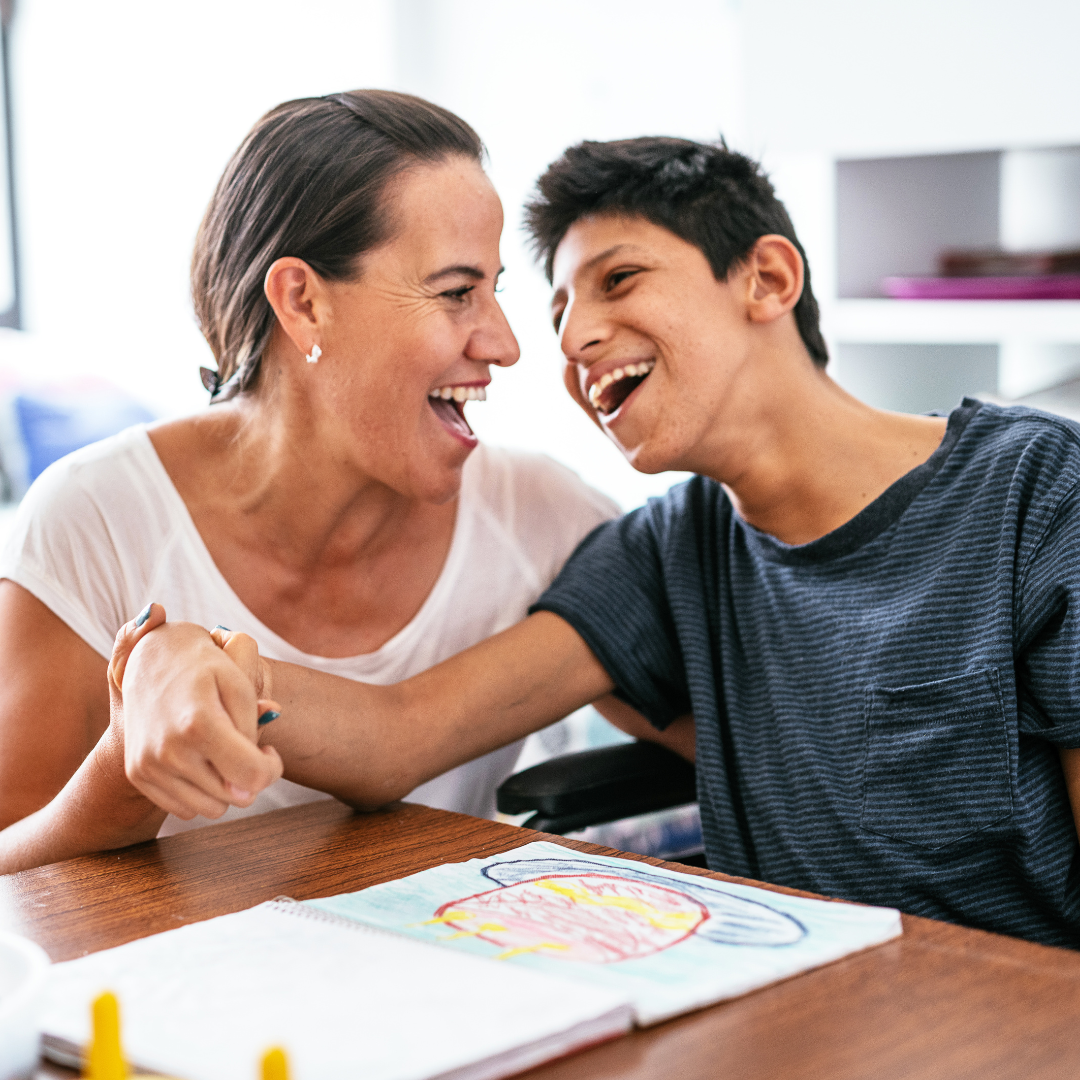

Families often tell us that the hardest challenges are not always the ones you first expect. It can be the endless juggling between professionals, the emotional weight of constantly advocating, the impact of broken sleep on the whole household, or the practical reality of a home that no longer meets a child’s needs.
Coordinating care and communication
Q. We’re constantly caught between different professionals saying different things. Who actually coordinates care?
 It is exhausting when every service seems to operate independently, leaving you to hold everything together. You can ask who the lead professional should be in your area. In some regions, this is a paediatrician, a community nursing team, a key worker, or a social care professional.
For guidance on how services should work together and what support should look like, the Council for Disabled Children has helpful information about joined-up support and pathways.
If you are a carer, you can also contact your local Parent Carer Forum through the National Network of Parent Carer Forums (NNPCF). They have lived experience of navigating services and can share local insight.
Parent fatigue and emotional load
Q. "I’m exhausted from advocating. I don’t want to give up, but I’m burning out. Where can parents get support, not just children?"
Caring, advocating, organising appointments and navigating systems can take a real emotional and physical toll. It is relentless. Many parents reach a point where they feel drained, yet still know they cannot step back. That conflict alone is exhausting.
Parents and carers deserve support in their own right, not just as an extension of their child’s needs.
For SEND-specific advice and wider family support, Family Action offers guidance and services to help families navigate SEND systems.
If things begin to feel overwhelming, your GP is there for you and your child. Seeking help for yourself is not a sign of weakness. It is part of sustaining the long advocacy journey.
You are not expected to carry this alone.
Sleep difficulties
Q. "Our son is barely sleeping, and it’s affecting the whole family. We’ve tried routines, reduced screen time, and followed all the usual advice. What next?"
Speak to your GP or healthcare specialist first. Ongoing sleep problems can be linked to pain, anxiety, sensory needs or medical conditions, so it is important to rule out health causes and discuss referrals to community paediatrics or a specialist sleep service if needed.
You may also find it helpful to explore support from The Sleep Charity, which offers a helpline, practical advice and strategies that take SEND needs into account, and the Cerebra Sleep Service, which provides guidance and resources specifically designed for children with more complex needs.

Home adaptations
Q. "Our child is growing, and our home no longer works for her. Where do we start with adaptations?"
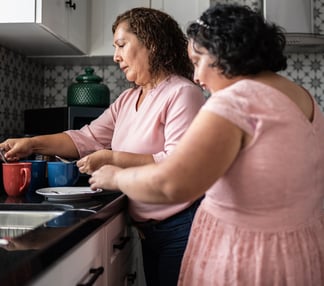 Sometimes the most supportive solution is changing the environment rather than expecting the child to “cope better.” Adaptations can make daily life safer and more accessible.
Families in England, Wales and Northern Ireland may be able to apply for a Disabled Facilities Grant (DFG) through their local council.
Family Fund may also support eligible families with grants that help ease practical pressures at home.
Your local occupational therapy service is usually involved in assessments and will recommend what is needed.
Disclaimer: The information in this article is provided for general interest and should not be considered medical, therapeutic or educational advice. Families are encouraged to seek support from qualified professionals regarding individual needs or concerns.