At SEND EDventures, we explore how cultural spaces can become welcoming, meaningful places for children and young people with special educational needs and disabilities. Museums, archives, and libraries hold stories, objects, and community knowledge that open new ways to learn and explore the world.
We spoke with Jana Cameron, Learning Officer at Brent Museum and Archives, about the role cultural spaces can play in supporting children with SEND, the importance of inclusive learning environments, and efforts across Brent to make heritage and culture accessible to local families.
About the role
Could you tell us a little about your role as Learning Officer at Brent Museum and Archives and the work you do with children, young people and families?
I am responsible for the schools services, delivering workshops and creating new resources to support the changing needs of schools across Brent. I work with Early Years to Sixth Forms and organisations such as IntoUniversity, which provide local learning centres where young people are inspired to achieve and increase access to Higher Education. I also work with local Home Education Groups and organisations like the Brownies and Girl Guides.
I run the family craft activity programme, which operates in the school holidays.
I am the Plain English advocate in the team and I started the autism-friendly early openings at Brent libraries several years ago. I am the main advocate and information provider for supporting neurodiverse audiences at Brent Libraries, Arts and Heritage.
We are privileged to work with autism specialists with lived experience who guide us on training and events, including Eiman Munro, an expert trainer. We are also lucky to have a fantastic team of heritage volunteers who support us with all our activities.
Museums, archives and libraries: the wider picture
In your view, what role can museums, archives and libraries play in supporting children and young people with SEND? Why are cultural spaces important for children with different learning needs and ways of engaging with the world?
Museums, archives and libraries play a crucial role in supporting young people and helping them express themselves and be creative. Some of these areas include:
- Enjoyment: providing environments for relaxation and time with friends and family.
- Support: meet other children, young people and family members who face some of the same issues and give support to each other.
- Creativity: express themselves and be stimulated by exhibitions and activities.
- Learning: learn in an environment that may be less stressful than school or others.
- They can choose which displays to explore first, how to complete activities, follow special interests, go at their own pace, and select books.
What kinds of approaches or activities tend to work well when designing learning experiences that are accessible for children with SEND?
Through trial and error and visits to other autism-friendly venues, we have made the following our focus:
- Language: Simple, non-ambiguous language in the promotion of events and displays, supporting materials and language used by staff. We carefully review the language used in displays to make it more accessible for neurodiverse users.
- Staff behaviour: Non-judgmental, open-minded, and thorough autism-awareness training for staff.
- Helping to reduce stress: Providing a Visual Story about each activity sent to participants in advance.
- Person-centred.
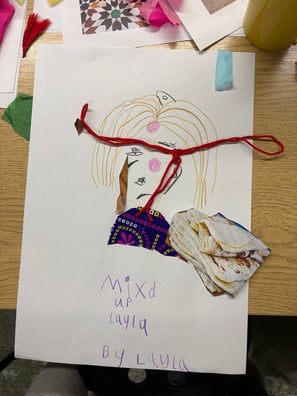
- Open-ended activities where there is no ‘one way to complete the activity’ but rather that participants can, e.g. choose how they use collage materials to create artwork that is personal to them. Also, if they want to draw their Switch game console rather than do the suggested activity, that is fine.
From your experience, what are some of the common barriers that families with SEND children may face when visiting museums, archives or libraries?
 As a parent of a child with ASD, ADHD, and Generalised Anxiety Disorder, I relate strongly to many of these.
- People: fear of judgment from others in relation to their child’s behaviour or of their parenting: e.g. criticism, ‘judgy
looks’, discrimination. - Sensory overwhelm: too much noise, light, too many demands on them.
- Not suiting their child’s needs/interests: not relating to special interests/what children want to do themselves.
- Lack of awareness of services offered to neurodiverse families
- Financial: bus tickets or event (though Brent Libraries and Arts and Heritage events are free).
- Having to travel long distances because there aren’t many local events. Using public transport can be difficult, as it may be overstimulating; e.g., children and young people may have had bad experiences that discourage future bus use. Generalised Anxiety Disorder is very common among diverse people.
- Timings: Getting to the event can be challenging. We cannot restrict library access for a whole day; we can only open for an extra hour (9.30-10.30 am). This makes attendance harder for families because some children may wake later, and it is common for it to take longer to leave home if one or more children are neurodiverse. Some organisations are open for the whole day for relaxed events, e.g. The Postal Museum
What advice would you give to parents and carers who might feel uncertain about bringing their child with SEND into cultural spaces?
 We understand it is really hard. Therefore, remember that any venue actively trying to be inclusive is on your side and wants to support you. Don’t hesitate to ask questions and say what works best for you and your child. In fact, this information will help the venue improve its offer for families with special needs.
Pre-visit, if possible. Do a visit without your child first. If a visual story is not available, take photos of the places they will be. You can then show the photos and talk about what it will be like.
Talk to staff about where to go for a quieter space and what to do if your child is overstimulated and needs some time to self-regulate.
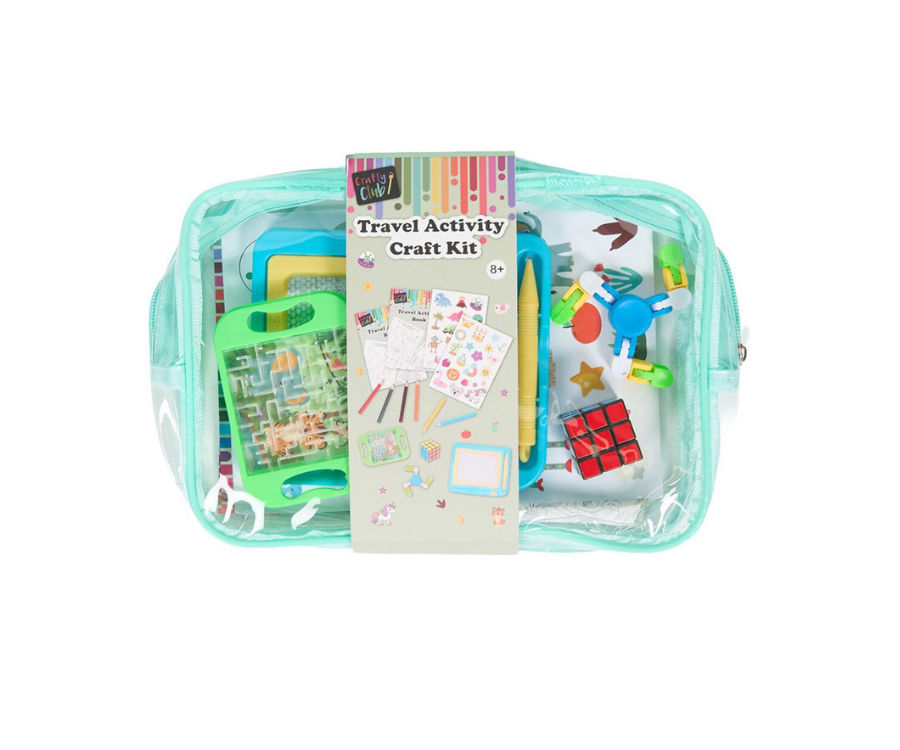
Things to take: favourite fidget toys, snacks, paper and pencils, extra water, and headphones. Write down a schedule for the day, but note that buses might take extra time if delayed.
There is a shift in improving access in cultural spaces to support families with neurodiverse children. Contact the learning or visitor services team at a cultural venue you'd like to visit. Ask whether there are any specific events, quieter opening times, backpacks, or other resources to support you and your child/children during your visit.
Ask about objects/information on display related to your child/children’s special interests. E.g. tanks at the Imperial War Museum or a favourite for many, the dinosaurs at the Natural History Museum. My own daughter loved the Transport Museum, and we went many times.
Look online to see what provision there is locally, e.g.
Relaxed cinema showings -
Autism Friendly
Centre for ADHD and Autism Support
And for Brent in particular, these resources may be helpful:
Brent Libraries, Arts and Heritage events:
Kiln Theatre and Cinema in Kilburn
Family centres, e.g. St Raphael's Family Wellbeing Centre
SEND Local Offer | Brent Council
Brent Outreach Autism Team (BOAT)
Inclusion and learning in Brent
Brent is a diverse borough with many families and communities. How does Brent Museum and Archives approach inclusive learning for local children and young people?
We love celebrating different communities in Brent and find it makes our services more interesting and exciting. We make craft events relevant to different communities in Brent; e.g., we have recently run Gujarati, Somali, Nigerian, Irish, Chinese, South West Asian, and North African heritage-inspired crafts. The activities are creative, open-ended, and led by the children, giving them the opportunity to participate in an educational experience that reflects Brent's multicultural nature while also being fun and meeting many children’s needs.
Are there particular programmes, activities or approaches in Brent that have helped make museum, archive or library spaces more accessible?
These are some of the things that help us in particular:
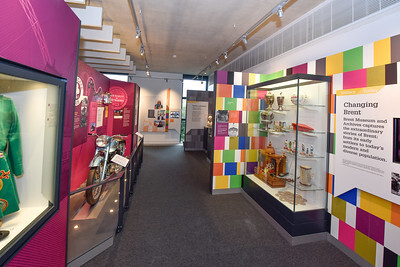
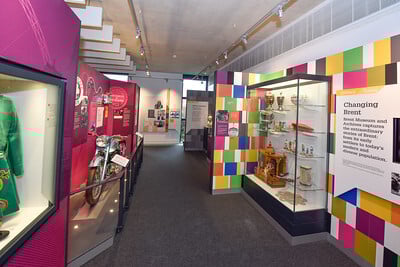
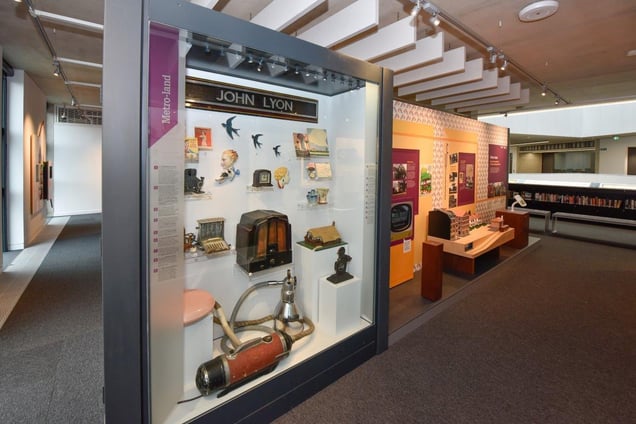
- Brent Museum is located at The Library at Willesden Green. There is no door to enter the museum, so it is ‘non-committal’. By entering the permanent display area, you can easily leave if you wish.
- There is no invigilation in the Museum and Exhibition Space, so you don’t feel like you are being watched, but library staff are nearby on the ground and first floors to answer questions and support visitors.
- All staff who support the autism-friendly early openings receive autism awareness training.
How do partnerships with local schools, community organisations and groups supporting SEND families help strengthen this work in Brent?
We promote all our early openings to the above organisations to keep them updated so they can share this information with their families. I also worked with SEN teachers at Kingsbury Green Primary School to make the Gujarati Community in Brent artefact loans box more accessible for various children. We expanded the resources in those boxes to include many textile-related items featuring a range of textures, designs, and formats.
What have you learned from working with local families about what makes a space feel welcoming and supportive?
We have learnt that there are many ways we can make our spaces more welcoming and supportive.
- Many parents/carers are grateful for the space being opened up to their children and appreciate the staff and volunteers' understanding and support.
- A flexible approach to what they can do when they arrive, such as visiting the museum, looking at books, doing a craft activity, or simply walking around or sitting in the building and exploring different areas.
- Quieter, less busy spaces
- Staff are friendly and not distracted or focused on children and adults who stim, make verbalisations, or experience tics.
- Other parents/carers can be marvellous to meet and engage with, as they have awareness of some of the same issues.
- Remembering that every child is unique
- Each time a staff member helps run an early opening, it builds their confidence in offering these services well.
Looking ahead, what would you like to see develop across Brent to further support children and young people with SEND in cultural and learning spaces?
We would like to increase awareness of existing services to support families and provide more SEND-friendly events and activities. For example, we are branching out from just Willesden Green to also hold events at Wembley Library, which started in April 2026.
Disclaimer: The views and opinions expressed in this interview are those of the individual or organisation featured and do not necessarily represent or reflect the position of SEND EDventures.