In Conversation with Gabi Schaper
To explore this in depth and with care, we spoke with Gabi, a Systemic Family Psychotherapist who specialises in helping families understand one another and create healthier patterns of connection.
Please tell us a little about yourself and the type of work you do.
I’m a systemic Family Psychotherapist, which means that I work with families, couples and sometimes with individuals, but we will focus on relationships and how presenting problems have come to be, how they impact relationships and we will usually try to invite people who the person has a significant relationship to join us, where this is possible. For example, I might work with a teenager but will try to involve parents/carers/siblings for part of the therapy, so that people can talk about difficult things together in a safe space, identify problems, try out solutions at home, and find ways to support each other. I might also involve other family members, such as aunts/uncles/grandparents, teachers, or other professionals, where the family has identified it as helpful.
I also offer reflective space to teams of people who work with children, young people or families in private, public and charity sectors and aim to provide practitioners with space to reflect on the impact of the work that they do on them and how this in turn impacts the people they are supporting. I do a lot of work with residential children’s homes and mental health organisations supporting young people and their families. Practitioners share their experiences, their successes and struggles and offer support, learning and encouragement to each other.
For those who may not know, what is family therapy and how can it support families raising children with SEND?
Family therapy can be very useful for families raising children with SEND because it can offer a safe space for everyone to come together and share what it is like for them, what they find difficult, and what they feel does not get enough attention. Especially where there is a lot of worry, concern and time dedicated to the sibling with SEND, other children in the family might not feel that their worries or concerns can compare to what their sibling has to manage, and they might also be aware of their parents or carers’ limitations and do not want to ask for more, or sometimes things get picked up too late because there was not enough time, energy, space or emotional capacity to talk about it when it was less of an issue. It is very difficult to address things when everyone is tired and there is so much to do at home, and some dedicated space away from home where a therapist guides the conversation can be very helpful. A family therapist will sometimes meet with different family members separately at first, so everyone can share what they would like to discuss without worrying about upsetting others before coming together as a group. The family therapist will plan this during the initial consultation, which typically involves the parents/carers, and where plans can be made about who to involve at what stage, so that the experience of therapy can be as useful and stress-free as possible for everyone.
What Parents Ask Most
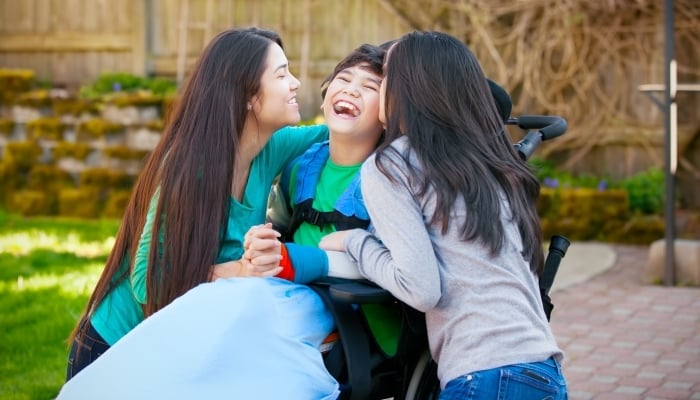
Parents and carers often tell us they are unsure how to balance their child's SEND needs with those of their other children. These are some of the questions they ask most about siblings:
My older daughter has always been so independent, but now she feels overlooked because so much of my time is focused on their sibling with SEND. How can I ensure she still receives the time and recognition she needs?
I think this is a really important question and one that will resonate with many families with a SEND child who has siblings. Parents often feel worried about the impact on siblings and sibling relationships. Siblings often feel a real mix of emotions – they likely care deeply about their sibling with SEND and their parents, and can see how much their sibling needs their parents. They often develop many independence skills to help make life easier for their parents, and they are aware that their siblings' greater need for time and attention from their parents is no one’s fault. They often find it difficult to ask for help and might feel guilty for putting more demands on a parent, especially when things have been quite full on for some time and everyone’s roles seem quite established. Especially with older siblings, they might feel they need to be quite grown up and take on emotional or practical responsibility for the younger sibling with SEND. Things that might help include validating and normalising your daughter’s feelings and asking more about what this has been like for her – how long has she been feeling like this and how come she is raising this now? Is there something in her life that she would like to discuss or have help with? It is great that she feels able to tell you how she is feeling! Reassure her that her feelings matter and that it is important for her to know you are there for her. Encourage her to talk to you about what it is like for her to have a sibling whose needs are different to hers and who requires more time and attention/ help. Recognise and praise her efforts to be kind, understanding and patient with her sibling, and focus on the positive effect this likely had on her and how it might have helped her in other relationships.
Some planned time together, and if possible, just with her, might also be very helpful, for some fun time that focuses on her and your relationship.
My child is showing resentment and frustration towards their brother with SEND, especially when routines change or family plans revolve around their sibling. How should I respond? It is very understandable for children to be frustrated and disappointed when plans they had been looking forward to, or family routines, have to be changed because of their sibling's needs. It might be helpful to validate and normalise their feelings and explain why things had to be changed, and also to reassure them that just because they are frustrated and angry about things having to be changed because of their sibling’s needs, it doesn’t mean that they don’t love them and they do not have to feel guilty. Depending on your children’s ages and level of understanding, it might be helpful to talk to them about their brother’s specific needs using age-appropriate aids, such as books or videos. If possible, it might be very helpful to carve out some regular time with them when their sibling is not involved, and to have time together doing something they enjoy. It can be very helpful to have a regular pattern with this so that everyone in the family can see it coming, make time and arrangements for it and know that there will be opportunities to talk about things as well as having fun.
If you can find something that your child enjoys, such as a hobby, it can be very helpful to support them in this and show pride and interest in what matters to them.
I can see that my other child feels greatly responsible for their sibling with SEND, and it is starting to affect their mental health. How do I ease that pressure while still nurturing empathy and care?
That sounds tricky! I wonder what they might be worried about for their sibling – it will be helpful to talk to them about their worries during some private 1:1 time and reassure them that it is not their responsibility, but also validate and appreciate their care and concern for their sibling as signs of their empathy and caring nature and express pride in that. Reassure them that their sibling is getting the right help and support and give space for them to ask questions. In terms of their own mental health, it is ok to tell them that you are worried about them (if you are), that their feelings matter and that you are there for them to talk to. It will be very helpful to have some regular 1:1 time and also plan for some fun time together and encourage hobbies or interests.
It might be helpful for them to attend a young carers group where they can share their experiences with other children in similar situations, take part in fun activities, and have a regular, predictable time to focus on themselves.
It might be helpful to talk to their teacher to see if they have any concerns and whether there is help available via the school.
If you are very worried about their mental health, it might be helpful to seek professional advice from a suitable therapist, who can offer a consultation and guidance on what to do next and how best to support them.
What Every Parent Deserves to Know
What do siblings of children with SEND need most from their parents to feel secure and valued?
Children need parents who they feel safe with, who are attuned to their needs, who check in with them about how they are doing, and who have energy to have fun together. To do that, parents need to feel supported themselves and have regular breaks and meaningful support in their role as parents and carers. This might include help and support from family, friends, the wider community, or professional networks. Some dedicated reflective space, such as a Parent/Carer group or therapy, can be very helpful for discussing the complexities involved in a safe, judgement-free way. Parents and carers tend to be very critical of themselves, and it is very helpful to acknowledge that you are human and will not always act with as much empathy and understanding as you had hoped – but the good news is that you can always get things back on track, and it does not have to be perfect.
Are there particular strategies that help siblings feel proud of their role rather than burdened by it?
It can be very tricky to get that balance right! Here are some things that might help:
-Explain their sibling’s needs to them in a way they can understand, using age-appropriate tools like books, social stories or video clips
-Explain that they are not responsible for their sibling but that everyone in the family looks out for each other, and that you, as parent/carer will make sure that they and their sibling are ok
-Find a particular thing or activity that they enjoy doing with their sibling (let them choose something together) and check in regularly with them about how this is going for them
-Express pride when you notice them doing something kind or nice with their sibling and encourage other members of the family and friends to do the same
-Find some regular time for you and your child to have fun, talk about any worries they might have and reassure them that you will find a solution together
-Normalise and validate feelings of frustration, worry or resentment they might have and encourage them to talk about it – having those feelings does not mean that they do not love their sibling and it is nothing to be ashamed of, it’s very human
-Find a supportive space for yourself where you can talk things through and air your own feelings without fear of saying the wrong thing or upsetting someone. This may be with a partner, family member, or friend, in a dedicated group space, or through therapy.
As siblings grow up and become adults, what can parents do early on to help lay the foundation for positive, lasting relationships between their children?
It is every parent’s hope that their children will have lifelong positive relationships. After all, these are the longest-lasting relationships we all have!
In my experience, it’s all about finding the right balance and ways to connect positively through play, Storytime, family activities, and, where possible, 1:1 time with children at all developmental stages – which I recognise can be very challenging for families. If possible, make these times part of a family routine, so there is a natural rhythm and everyone can see it coming. This can be very reassuring for children who are holding onto worries or strong feelings and find it challenging to find a space to talk about them during everyday activities. If you are in a couple, try to find some time for your relationship, if possible. If you have a supportive network around you, use it, or utilise professional networks such as schools, clubs, coaches, therapists, or groups like young carers to help with that.
There is a real developmental opportunity and advantage for children who grow up with a sibling with SEND in terms of learning about diversity and different experiences that they and their sibling have, and most children growing up with SEND siblings grow into kind, compassionate and caring adults – the thing to look out for as they grow up is to ensure that they always feel that their needs and wellbeing are also important.
Try This at Home
What is one practical idea parents and carers can try at home to support a primary school-aged sibling of a SEND child? This will be very unique for each child, but generally speaking try to find a regular 1:1 timeslot for them where this is possible to do something that they enjoy – this could be anything from a walk together to doing a particular activity together – the important thing is that there is space to check in with them about how everything is going for them, problem solve around their worries or just listen to them and to celebrate their successes and efforts, but also to have some fun together!
If finding a 1:1 spot is not always possible, explain to them the reasons for this and think together what you could do that they would enjoy – maybe they can pick something that everyone can do together. Wherever possible, use your network of friends and family to help with this – some regular 1:1 time at a family member’s or friend's house can also be very helpful.
What about a teenage sibling of a SEND child? What can be put in place to support them, since it is never too late to make a difference? Teenagers are often very conscious of difference and diversity and are usually very protective of their SEND sibling. As with all children, they will still need some regular 1:1 time with you to have fun and talk about what's on their mind, as well as some fun time with their sibling. You may have to adapt the activities a bit, but in essence, keep going with your usual rhythm of spending 1:1 time as much as possible. As children mature, differences usually become more obvious, so this will be a key time to help your teenager remain compassionate and caring whilst also being very busy with their own life and all that teenagerhood brings with it -they might need you in a different way and you may be renegotiating your relationship as they explore their independence. This can be challenging as a parent, and it may be helpful for you to seek support from family, friends and where appropriate, professional networks.
Looking back on your work with families, what is one moment that has stayed with you and shaped how you support families raising a child with SEND?
I remember working with a family during COVID who had two children, a boy who was around 12 who has ASD, a lot of physical health needs and is non-verbal, and an older sister who is neurotypical and was doing very well at school. The family were managing well before COVID, as there were good networks around them – a lovely school that the boy loved, various therapies that were being offered there, as well as access to a Paediatrician to oversee the physical health needs, some respite care for the parents and a Young Carers group for the older sister. All this fell away during COVID and it was incredibly hard for them. The boy needed round-the-clock care, and both parents were on the brink of exhaustion, which in turn made the boy upset and resulted in more episodes of dysregulation, which were upsetting for everyone. The sister started showing anxiety and low mood symptoms, and it all felt incredibly hard. We did the only thing we could do – we called a network meeting (virtually at the time) and challenged agencies to provide respite care. This all took time and we managed to find some interim solutions – I had a contact who was very experienced with supporting non-verbal children with ASD through her own lived experience, and she made an incredible difference to the family by giving them a few hours break each day and being able to develop a relationship with both children very quickly. I continued to see the couple for therapy and just had a space for them to talk about things away from home. As it was COVID, we went on a lot of walks together, which was different but worked. I will never forget them – I was very struck by how difficult it was for the parents to look after both their children and how much it took out of them. I felt very humbled by how much they did for their children and how much of a backseat they had to take most of the time, and how much the little pockets of time for them meant to them. The older sibling was one of the most thoughtful and compassionate children I have ever had the pleasure of meeting, and I have no doubt that she will grow into a remarkable young woman. My other learning from. It was really about the importance of networks and that it really does take a village and that sometimes you have to be creative and work with what’s around you – we managed to find a network for the family, but it was a long and exhausting battle for them.
 To find out more about Gabriele’s work, services and availability, you can visit the Be Heard Therapy website and learn more about her services.
Disclaimer: The views and opinions expressed in this interview are those of the individual or organisation featured and do not necessarily represent or reflect the position of SEND EDventures.