Image credit: Images copyright Eliza Fricker.
In Conversation with Eliza Fricker
Eliza Fricker is a Sunday Times bestselling author and illustrator, and an advocate and consultant specialising in Pathological Demand Avoidance (PDA), autism and learning. Through her illustrations, books and training work, Eliza helps families and professionals better understand demand-avoidant behaviour in children and young people, using clarity, honesty and lived experience to challenge common misunderstandings.
 About Eliza
For readers who may be new to your work, how would you describe what you do and why it matters to you?
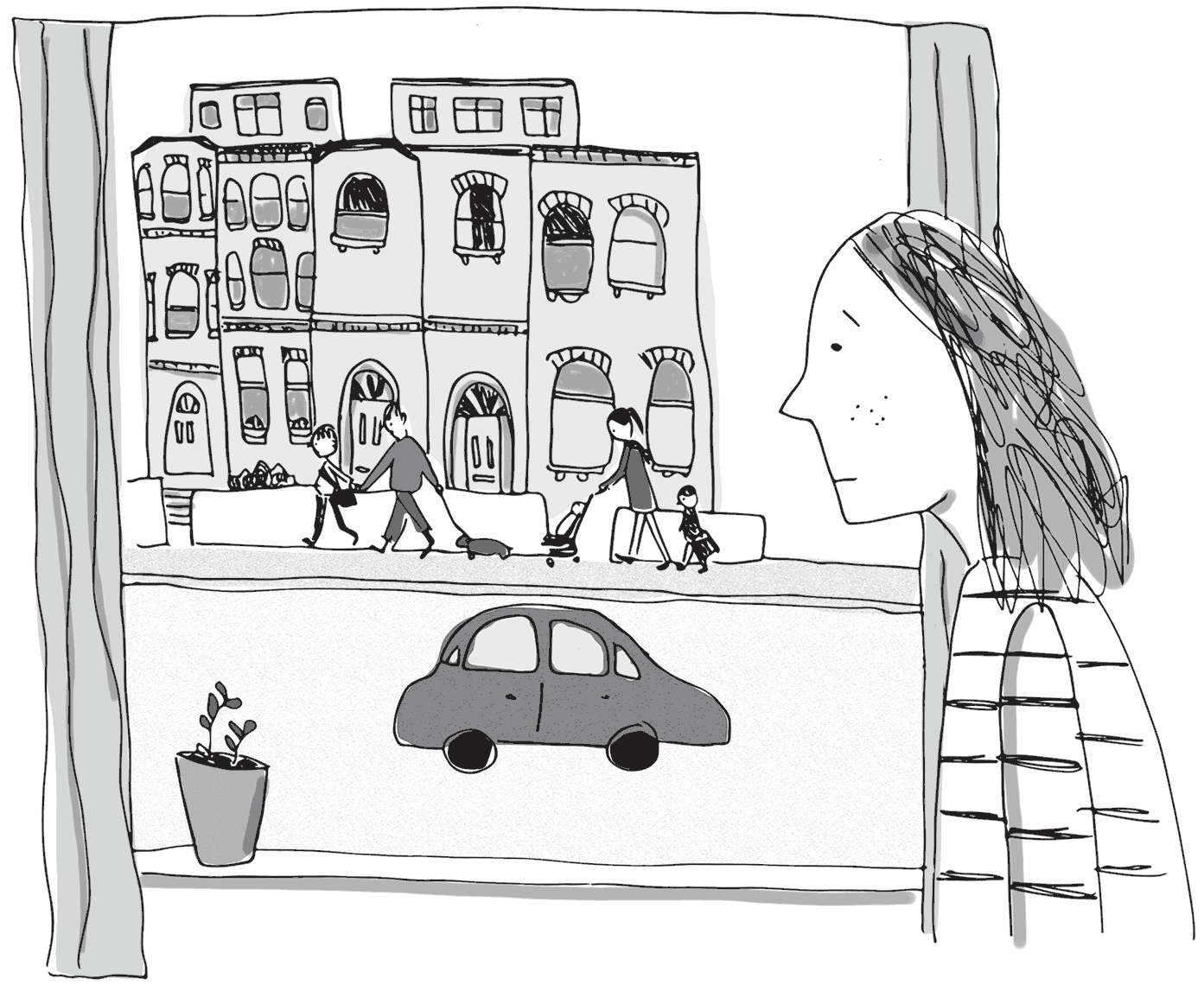
I am an illustrator and author and began illustrating my experiences as a parent navigating the education system with a child with extra needs. I was very isolated during this time; my child was unable to attend school, and I didn’t know other families going through what we had. Since I began my work, I’ve connected with thousands whose experiences are just like ours.
What parents ask most about PDA
 PDA is often misunderstood. How do you explain it to families who are hearing the term for the first time?
We often talk about the lightbulb moment with PDA, we often have a diagnosis of autism for our children and much of the support or information offered just doesn’t chime for us and our child. We can feel like we are failing as parents and then when we find out about PDA, it is the ‘aha’ moment.
What are the biggest misconceptions you see about PDA, particularly in schools?
I think it will be looked at as behavioural and defiance; they don’t see what’s beneath. The high levels of anxiety and how much it takes a child to manage an environment every day that is full of demands and expectations.
Lived experience and insight
Your work is rooted in lived experience and professional insight. How has that shaped the way you talk about PDA and advocate for children and families?
I know families have experienced a lot of pushback; our school system is rarely brought into question. The problem is therefore located in the parent/carer and child. When I meet families, they have experienced a loss in confidence and have experienced a lot of stress and distress. I want to remind them that they know their children best and have the toolkit to best support them. It is about getting back in touch with this.
Supporting children day to day
 At home, what small changes can help reduce demand anxiety for a child with PDA?
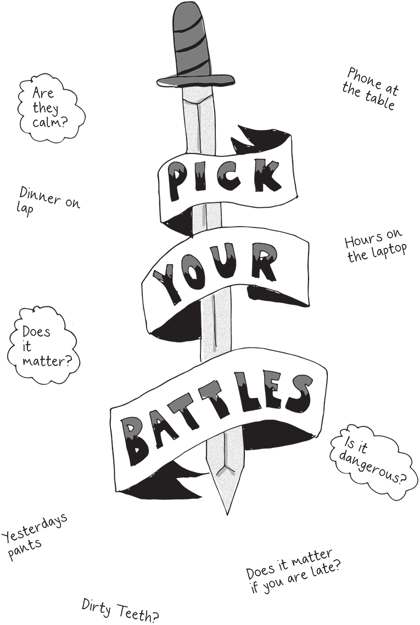
I think remembering what they have managed in the school day and thinking about what you can do to offset this for them. It may mean that after school and on weekends are very quiet; they spend lots of time decompressing; they eat their meals on their laps rather than at the table; we keep activities reduced; we extend bedtimes, so we spend lots of time with them at this often tricky transition time. We take demands out of our dialogue or reduce them with a more collaborative communication approach. Remembering that anxiety is extremely high for these children, so it will help us to approach them with the empathetic responses needed.
Are there approaches that are often recommended for SEND children that may not work well for children with PDA?
Yes, routines may be a demand, so we may need to rethink this. Whiteboards and visual timetables can all feel like a demand to a PDA child. Praise and rewards can also be a demand, so finding other ways for that young person to feel good about themselves might be needed, such as using one-word answers, ‘cool’, nice’.
Often, school support will be ‘add-ons’ that make that child stand out or feel different, so adaptations need to be subtle.
Education and understanding
What do you wish parents understood better about learning for children with PDA and demand anxiety?
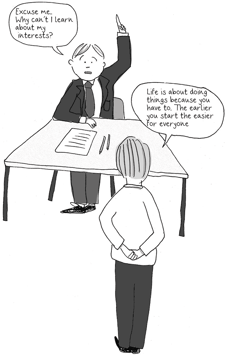
I think, remember, ‘what’s in it for me?’ The learning will come from interest-based and child-led learning. PDAers are autodidactic; they will learn through their own passions, and we are the learning facilitators rather than instructors. Once we have this understanding, we can see some very passionate and engaged learning, but it will look very different from our preconditioned ideas on this.
What tips would you give to help alleviate anxiety around learning?
Often, we need to have a side-by-side approach with this, facilitators who will be there for co-regulation and support for the PDAer. The demands of learning can mean they find the pressure to get it right or wrong too much. So, finding ways to remove the pressure of grading or assessing that the PDAer would be aware of can really help.
Creativity, books and connection
Your books and illustrations resonate strongly with families. What role do stories and visuals play in helping children feel seen and understood?
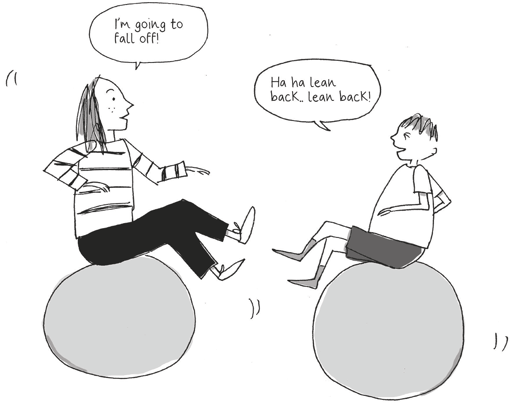
I think there are lots of parenting books that are based on ‘how to’ and formulas. When we need to parent differently, we need some comfort and hope. My work isn’t about telling people how to parent; instead, it's snapshots or windows into how it can be, and I want to offer suggestions and ideas that still give families the autonomy to decide how best works for them. Illustrations allow for nuance much more than words. I have lots of families contact me to say that I show snapshots of their lives and I guess I am hoping my work says it is okay to parent differently if that is what you all need.
A message for parents
For parents who are feeling exhausted, misunderstood, or worried they are ‘getting it wrong’, what would you want them to hear?
That we can change how we parent or view learning at any time. We don’t need a diagnosis to do this. If things are hard and you feel everything is difficult, then it is okay to change it up. A lovely part of my job is hearing from families and the creative and imaginative ways they have adapted their lives to work for them. When they can say that there are fewer distressing presentations from their child and they all feel more hopeful, that is wonderful to hear.
Looking ahead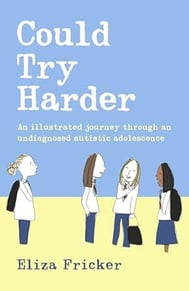
What are you currently working on, and what can families look out for next?
My follow-up, Could Try Harder, is out this month. This is the next part of my own story, and it will cover motherhood and how, as an undiagnosed autistic woman, I experienced this. I hope it lifts the lid on some of the shame we can feel as new mothers as we adjust to this massive life change.
I also have some more PDA books in the pipeline, including one for adults.
Disclaimer: The views and opinions expressed in this interview are those of the individual or organisation featured and do not necessarily represent or reflect the position of SEND EDventures.