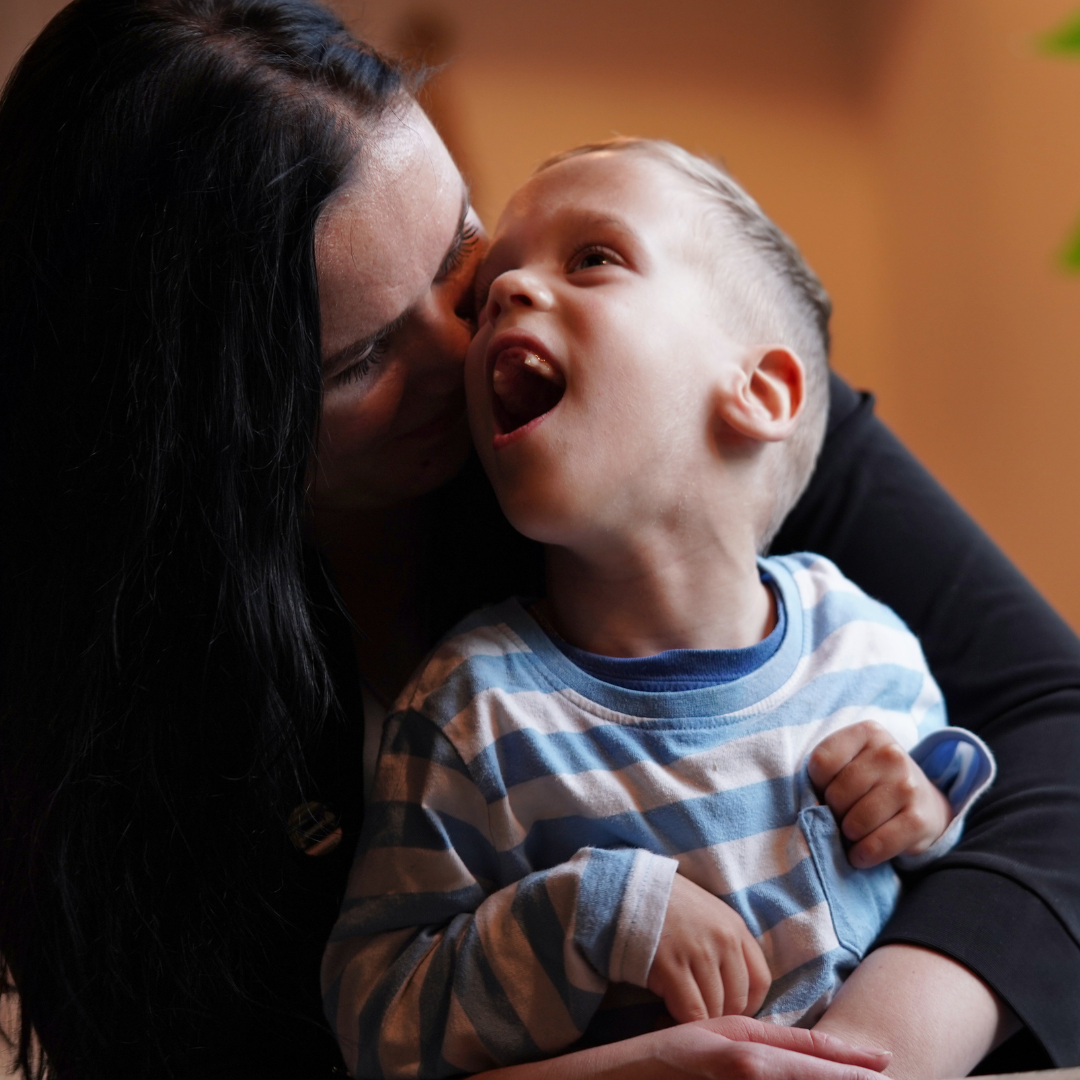
There is never one single reason why a child struggles with sleep. For many, sensory sensitivities play a part. A noise others barely notice may feel overwhelming. Bedding textures, seams in pyjamas, or the flicker of a nightlight can be distracting and uncomfortable. Some children also experience medical or physical discomfort linked to their condition, such as joint pain, muscle stiffness, reflux, gastrointestinal discomfort or breathing difficulties. These can become more pronounced when a child lies flat, interrupting their ability to settle and stay asleep. For some children, their internal body clock works differently. Melatonin, the hormone that helps regulate sleep, may exhibit irregular patterns in certain neurodivergent children. This can lead to children feeling wide awake late into the night and very tired during the day. This is a biological difference, not a behavioural choice.
Anxiety can also play a significant role. If a child feels unsure, overwhelmed or unsafe, it can be difficult for them to relax enough to fall asleep. For children who rely on routine, the transition from day to night can feel abrupt and unsettling.
Children with hearing loss may experience a different kind of difficulty. Once hearing aids or cochlear implants are removed, the world becomes extremely quiet. Familiar background noises disappear, and the darkness can feel isolating. If communication is challenging, it may also be harder for a child to explain that they feel worried, uncomfortable or confused.
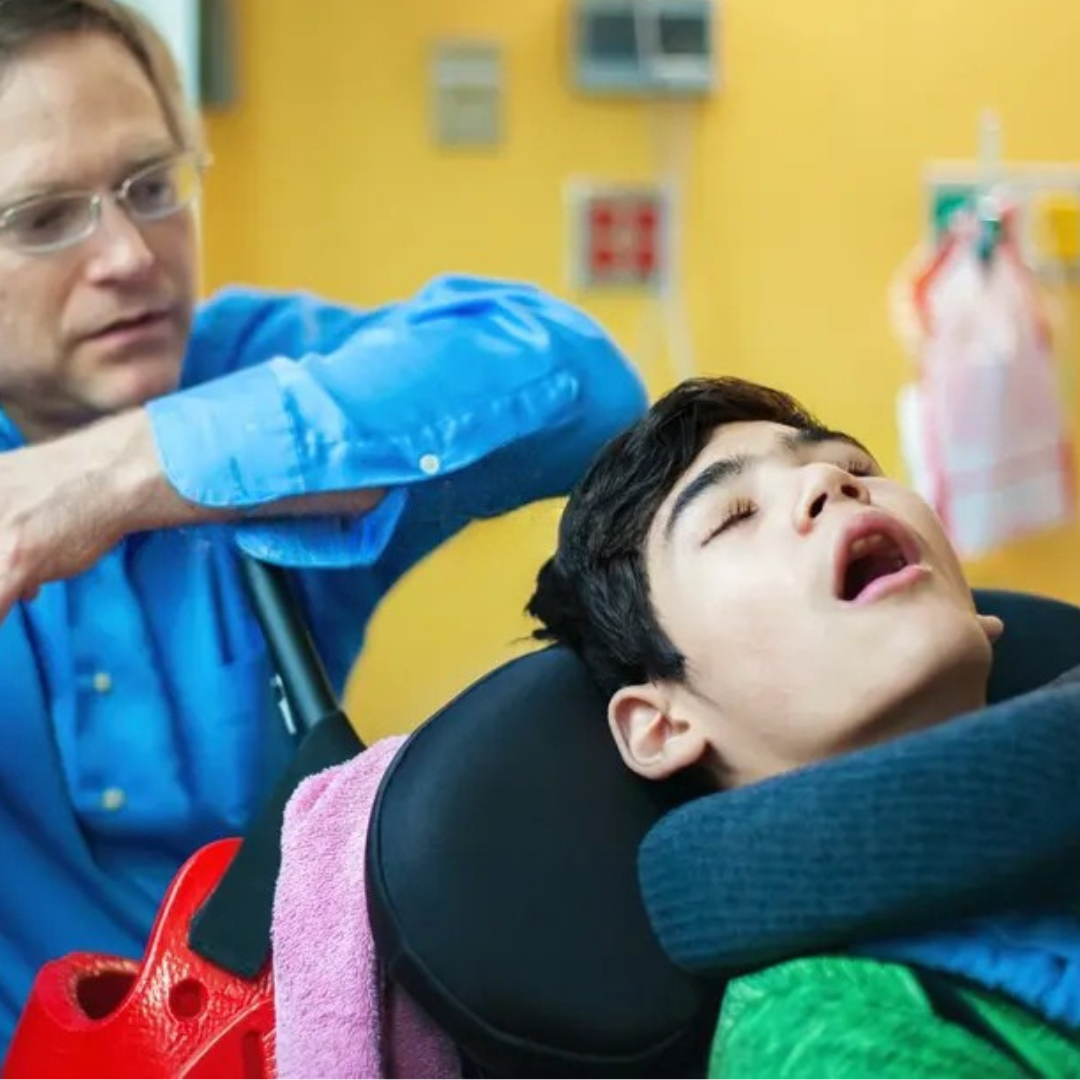
For children with mobility difficulties or physical disabilities, discomfort can be a major factor. A child who cannot reposition themselves independently may wake sore, stiff or unable to settle again. Equipment such as splints or medical devices can add to anxiety or discomfort during the night. If pain or physical needs are not properly addressed, broken sleep can become an ongoing cycle.
Sleep difficulties rarely stay contained to bedtime. Tiredness can affect emotional regulation, concentration, behaviour and resilience. For families, long-term sleep deprivation can impact work, relationships, mental health and overall quality of life.

Why sleep matters
Sleep is not just “rest time”. It supports memory, learning, emotional well-being, immune health and physical growth. Without adequate sleep, children may become more anxious, overwhelmed, hyperactive or withdrawn. They may struggle to focus, cope socially or manage their emotions. At school, this can appear as tiredness, reduced concentration or difficulty engaging with learning.
For parents and carers, lack of sleep affects everything. It is common to feel burned out, frustrated or worried, especially when advice feels inconsistent or does not reflect the reality of SEND life.
What may help
 There is no single solution, and what helps one child may not help another. However, these ideas can support healthier sleep routines.
Create a calm, consistent bedtime routine
Predictable routines can help children feel safe and prepared for sleep. A warm bath, calming music, brushing teeth, a short story or a comfort item can be helpful. Try to keep bedtime routines unhurried and follow them in the same order each night.
Adapt the sleep environment
A comfortable space can make a difference. Blackout blinds, soft lighting, white noise, and reducing visual clutter, or keeping the room cool, can help some children. For children with sensory needs, weighted blankets or compression sheets may be supportive, but these should always be discussed with a professional before use to ensure safety.
Use visual supports or social stories
Visual timetables and bedtime social stories can help children understand what is happening and feel more secure.
Reduce screen use before bed
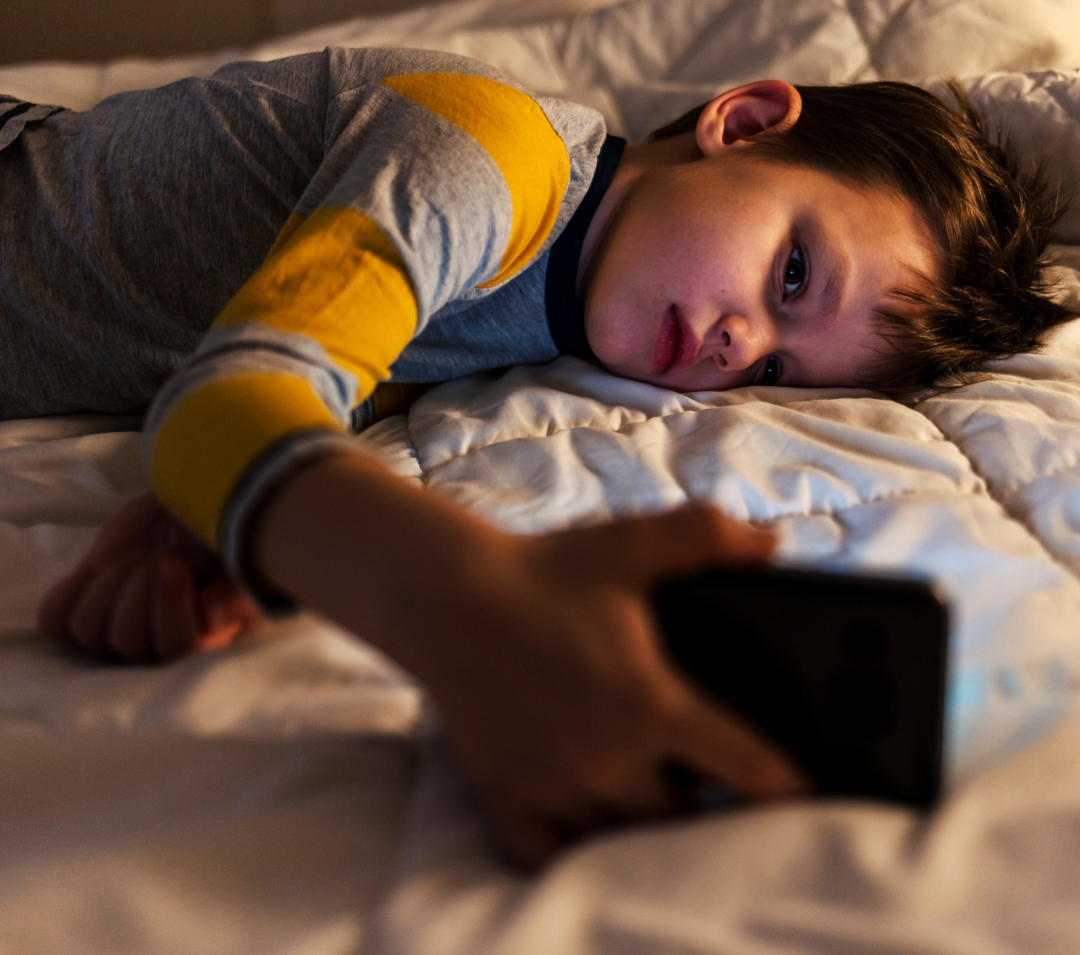
Blue light can affect melatonin levels and delay sleep. Aim to replace screen time in the hour before bed with quiet, low-stimulus activities such as reading, puzzles, or drawing.
Support physical comfort and positioning
For children with mobility or physical disabilities, the right positioning can make a huge difference. Supportive pillows, positioning wedges, specialist sleep systems or advice from physiotherapists or occupational therapists may help reduce pain, pressure and muscle strain during the night.
Offer reassurance when needed
Some children benefit from comforting objects, a parent’s scent on a pillow, or a short recorded message. Others may find breathing exercises, gentle stretching or calming bedtime apps helpful.
Keep a sleep diary
Recording bedtime routines, sleep times, wake-ups, food intake, medication and behaviour can help identify patterns. This is extremely useful when talking to professionals.
Do not wait to seek medical advice
 If sleep difficulties are persistent, severe or significantly affecting your child’s wellbeing, seek medical advice. Start with your GP. There may be an underlying health reason such as reflux, constipation, seizures, breathing problems or sleep apnoea. These can easily be missed, particularly for children who cannot easily communicate discomfort.
You may be referred to:
• community paediatrics services
• a specialist sleep clinic
• an occupational therapist with sensory expertise
• child mental health services if anxiety is a key factor
In some cases, melatonin may be prescribed, but this is only appropriate for certain children and must always be prescribed and monitored by a healthcare professional. Families should never purchase melatonin online or use it without medical guidance.
If physical discomfort, pain or mobility difficulties play a role, paediatric services can assess for appropriate equipment or sleep positioning systems, as well as supportive bedding. Where anxiety is contributing significantly, mental health support can also be valuable.
Useful UK sleep support organisations
The Sleep Charity
National guidance, practical tools and family-friendly advice to support children’s sleep across the UK.
Cerebra Sleep Advice Service
Specialist sleep support for children with complex needs and disabilities, including one-to-one guidance.
Teen Sleep Hub
Trusted NHS-linked resource providing sleep advice specifically for teenagers and their families.
Sleep Action (Sleep Scotland)
Support and guidance for children, young people and families experiencing long-term sleep difficulties.
Disclaimer: The information in this article is provided for general interest and should not be considered medical, therapeutic or educational advice. Families are encouraged to seek support from qualified professionals regarding individual needs or concerns.