In conversation with Sian Smith from Oxford University Press
Maths can spark curiosity, creativity and problem-solving, yet for many children it can also feel abstract and hard to connect with. Numicon, a visual and tactile maths resource developed by Oxford University Press, was created to change that.
By transforming numbers into tangible objects that children can see and touch, Numicon makes mathematical concepts more concrete and accessible. In this conversation, Sian Smith at Oxford University Press shares how Numicon came to be, why it continues to make such a difference in classrooms and homes. She also explains how parents can use it to help their children build confidence, curiosity, and a lasting understanding of maths.
The Story Behind Numicon
For parents who may not have come across Numicon before, how would you describe it?
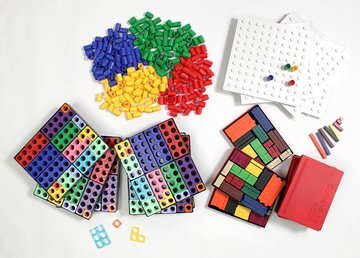 Numicon is a multi-sensory maths resource that helps children understand numbers through sight and touch. It uses colourful, structured shapes called Numicon Shapes that represent numbers visually and physically. These help children build a strong foundation in number sense by making abstract concepts concrete and accessible.
Numicon makes numbers real for children, in the sense that they can see and touch them. It also makes number relationships real because they can see very clearly how each next number is one bigger than the previous one, through the system of patterns that we use.
What inspired the creation of Numicon and what makes it stand out as a maths resource?
Numicon grew out of a classroom-based research project in the 1990s led by Dr Tony Wing, Ruth Atkinson and Rosemary Tacon (Romey Sawtell). They wanted to understand why so many children struggled with maths despite success in other subjects. Their research showed that maths often feels abstract and disconnected from real experience, creating barriers for learners.
To overcome this, they developed an approach that combined action, imagery and conversation, using structured visual patterns and tactile shapes to make number relationships clear. Early trials showed dramatic improvements in confidence and attainment. Since its invention, Numicon has gone on to support millions of learners, becoming a trusted resource in classrooms and homes around the world.
What makes Numicon unique today is its ability to turn numbers into something children can see, touch and explore. It’s designed to help children see patterns, make connections and develop talk and mathematical thinking in a way that feels engaging and intuitive, building real understanding that lasts.
Understanding why some children struggle with maths
Many children experience barriers to learning maths for various reasons. From your experience, what makes maths challenging for some learners?
Maths can feel abstract and fast-paced, which can be challenging for many learners, especially those who may need more time to process or benefit from hands-on approaches. Mathematical ideas often involve unfamiliar vocabulary and symbols, which can be confusing if they’re not explained clearly, and it can all feel quite removed from real life.
When maths ideas aren’t made concrete and strategies aren’t made explicit or tangible, children can feel like they’re trying to piece things together without a clear map. This can lead to relying on tricks or shortcuts rather than genuine understanding, which is frustrating and compounds problems further down the line as maths ideas build and rely on those earlier concepts. For many learners, confidence is also a major barrier – feeling like you are experiencing some success encourages you to keep going and motivates you want to engage. Sadly, the opposite is also true and we can feel blocked in maths by fears about getting it wrong and a lack of freedom to explore, make mistakes and learn.
Working with concrete apparatus such as Numicon Shapes takes the pressure off finding the “right answer” straight away and children can manipulate shapes, test ideas and see patterns for themselves. We naturally like finding patterns, but maths can feel hard without the right tools to help children uncover and use them.
What does inclusive maths teaching look like in the classroom and why does it matter?
Inclusive maths teaching means creating an environment where every child can access learning in a way that works for them. It uses a variety of approaches, including visual, tactile, and auditory, and gives children time to explore and make sense of ideas. This matters because every child deserves to feel capable and confident in maths. Inclusive teaching ensures that barriers don’t hold learners back and that everyone can succeed.
We often hear about concrete learning in maths. Can you explain what this means and why hands-on learning approaches are so effective for many children?
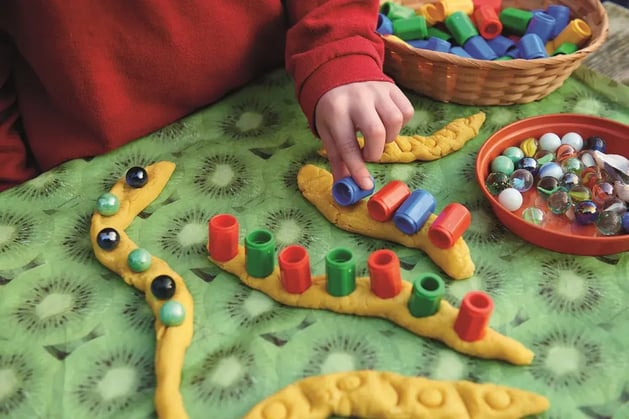
Concrete learning means using physical objects to explore mathematical ideas. Instead of just hearing or reading about numbers, children can touch, move and manipulate materials to understand how numbers work. This approach is especially effective for children with SEND because it supports memory, reduces cognitive load, and makes abstract concepts meaningful.
Where Numicon fits in
How does Numicon support children who learn best through concrete and visual approaches?
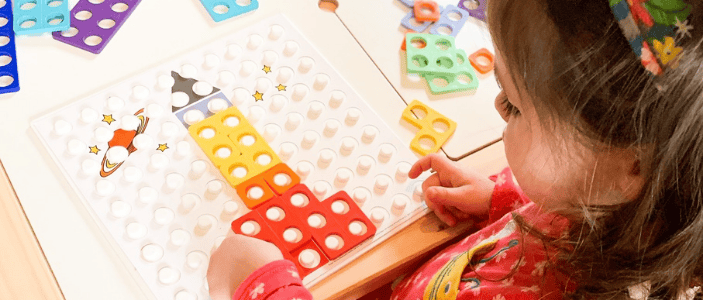
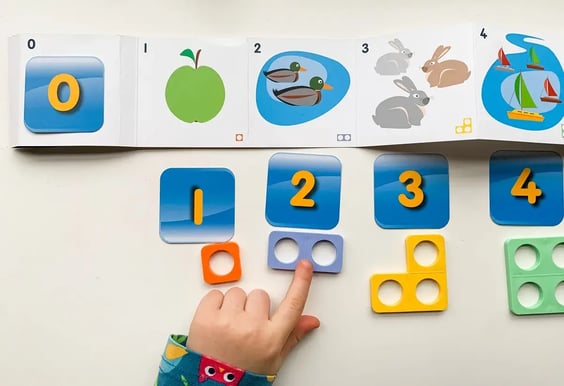
Numicon Shapes show number relationships visually and physically. For example, children can see that the Numicon Shape for 4 is smaller than the Numicon Shape for 6, and they can combine Numicon Shapes to explore addition or subtraction. This hands-on approach helps children build a deep understanding of patterns and relationships.
Numicon is used in both mainstream and specialist settings. What makes it flexible enough to work across different learning environments?
Numicon resources are versatile, adaptable, and open-ended, making them suitable for whole-class teaching, small groups, or one-to-one support. Teachers and parents can tailor activities to individual needs, from reinforcing basic number concepts to exploring more complex ideas. Its simplicity makes it accessible, while its depth allows for rich mathematical exploration.
Adapting for different needs
Many children struggle with maths confidence and may even feel anxious about it. How can parents build a positive relationship with maths?
Start with play and curiosity. Use everyday situations, like cooking, shopping, or playing games, to talk about numbers in a relaxed, non-pressured way. Celebrate effort and progress, not just correct answers. When children feel safe to explore and make mistakes, their confidence grows.
How can Numicon support children with working memory and processing difficulties, and who may need extra time or repetition to understand a concept?
Numicon provides a consistent visual structure that helps children hold ideas in mind. Because the Numicon Shapes are always the same, children can return to them again and again to reinforce understanding. Activities can be repeated with slight variations, helping children consolidate learning without feeling overwhelmed and while keeping their interest.
Can Numicon be adapted for children with additional needs such as sensory differences, communication needs or physical disabilities?
Yes. Numicon’s tactile nature makes it ideal for children with sensory needs, and its visual clarity supports those with communication challenges. Activities can be adapted using larger shapes, simplified language or alternative formats. Teachers and parents often use creative solutions like Velcro, textured mats or digital tools to make Numicon accessible.
Can Numicon be used alongside other approaches often used in SEND support, such as speech and language therapy, occupational therapy or AAC (augmentative and alternative communication)?
Absolutely – Numicon works well alongside a wide range of SEND support approaches. Its visual and tactile nature makes it a useful tool in speech and language therapy, where children can link number words to physical shapes, supporting both vocabulary and comprehension. In occupational therapy, Numicon activities can help develop fine motor skills, sequencing, and spatial awareness.
For children using AAC, Numicon provides a consistent and recognisable visual language that can be incorporated into communication boards or devices. It can also be used to support turn-taking, choice-making and expressive language in maths-based play. Because it’s so adaptable, professionals often find creative ways to integrate Numicon into their therapy sessions to reinforce learning in a multisensory and engaging way.
Using Numicon at home
What practical maths strategies would you recommend to parents who want to support learning at home but do not feel confident in maths themselves?
Start with curiosity and connection. You don’t need to be an expert in maths to support your child – just being present and encouraging makes a big difference. Use everyday routines to explore maths together: count steps, sort laundry, measure ingredients, or compare prices while shopping. These real-life experiences help children see that maths is all around them.
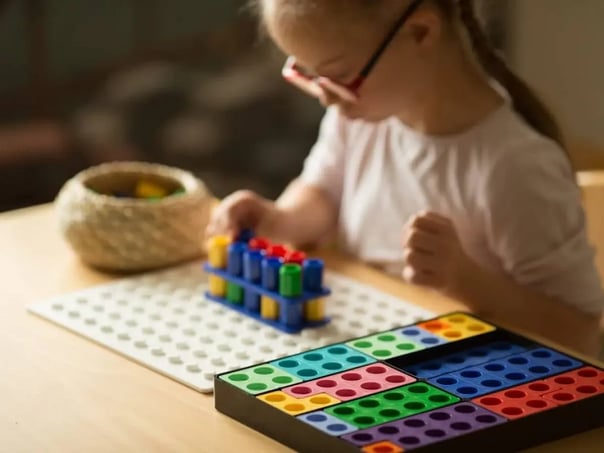
Using Numicon at home can also take the pressure off. The Numicon Shapes do the “explaining” visually, so parents can focus on exploring and playing together. The key is to make maths feel fun, safe and part of everyday life.
Can you share a few simple Numicon activities familiescan try at home?
- Numicon Shape Hunt: Hide Numicon Shapes and ask your child to find and name them.
- Build a Tower: Stack Numicon Shapes on top of each other to match a target number. For example, take Numicon five piece and see which Numicon pieces fit neatly on top of it to make five, such as a four and a one – great for exploring addition.
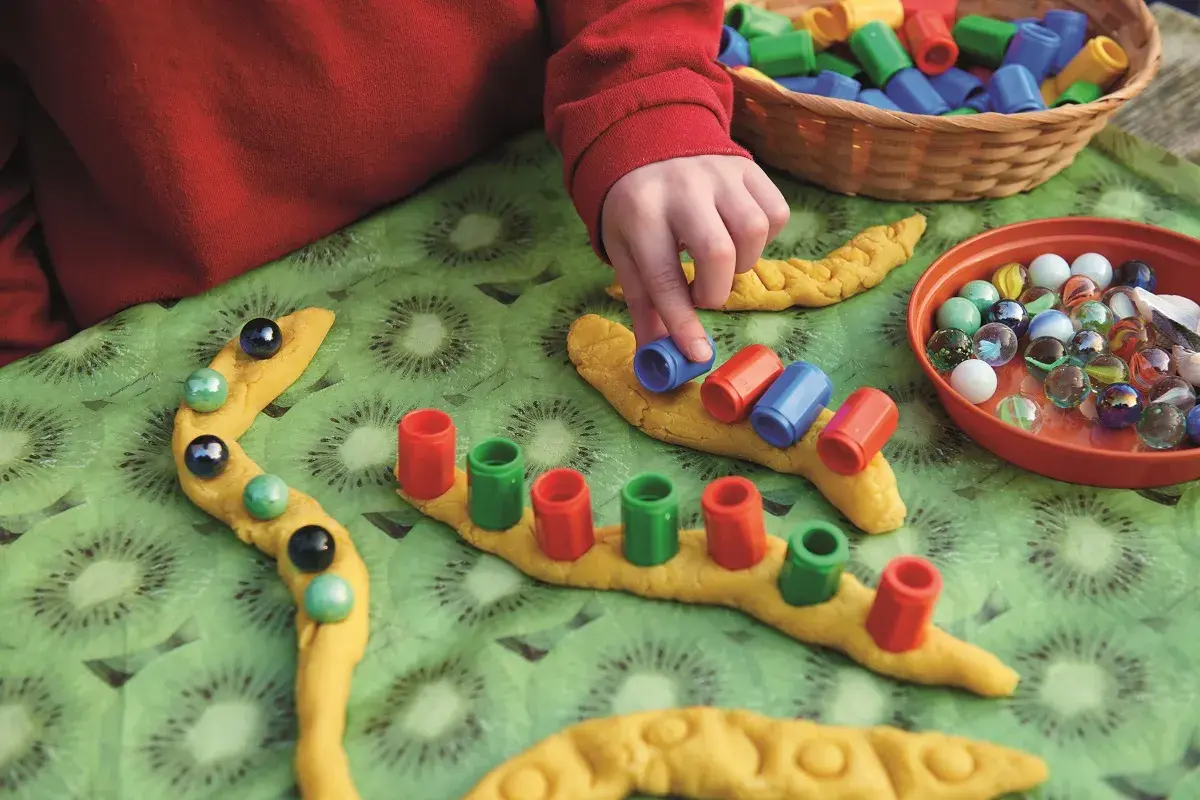
- Making Numicon patterns: Press Numicon Shapes into modelling dough to leave the patterns of raised bumps. Take turns closing your eyes and matching the Numicon Shape to the pattern. You can also do this with paint – painting a dot in each hole.
- Squash to subtract: You can have fun subtracting numbers by squishing out the bumps you have made in modelling dough too, talking about how many you had, how many you took away and how many are left.
- Number Stories: Use Numicon Shapes to act out simple maths stories, for example, I had four acorns and I found two more. How many did I have altogether?
- Find the missing number: Put Numicon Shapes from 1 to 10 in a line and take turns to close your eyes while a Numicon Shape is removed. Can you tell which number is missing?
These are just a few activities which can be adapted to suit your child’s interests and learning style and you may find yourselves inventing all sorts of interesting variations on them.
For families who are completely new to Numicon, which resources would you suggest starting with?
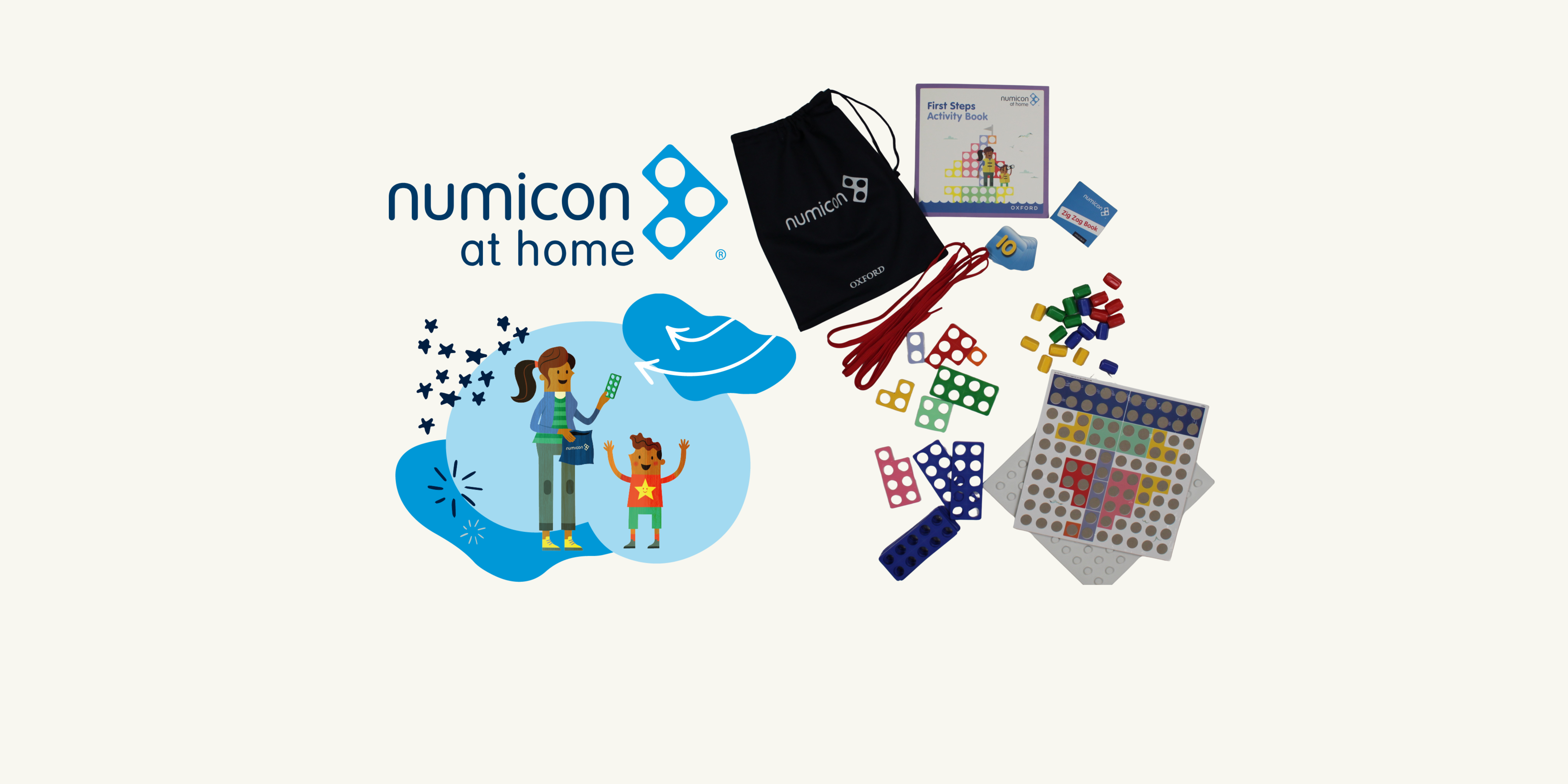
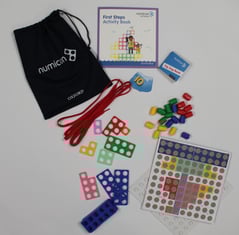 We recommend beginning with the Numicon at Home Kits, which are designed specifically for families. These kits include Numicon Shapes, other carefully selected apparatus, and an activity book with engaging characters and step-by-step guidance. Parents can use the games and activities here to support their child’s learning in a fun and accessible way, helping unlock the key maths understanding they need.
As you’ll have seen from the activity ideas above, there are also some great things you can do just from having a set of Numicon Shapes from 1 to 10, and you can find further ideas and activities you can do with the home kits on the Oxford Owl for Home page.
Looking Ahead
What is Oxford University Press working on next to continue supporting inclusive maths learning for all children?
We’ve been looking closely at how well Numicon resources can be used to support other key programmes in school and at home, such as Number Sense Maths and Mastering Number. Most recently, we’ve created short videos that show how Numicon resources can be used to model strategies that make adding and subtracting easier, for example, you can show with Numicon Shapes how, when you’re adding two numbers together, it doesn’t matter which order you add them in – you always get the same answer.
At Oxford University Press, we’re committed to supporting inclusive maths learning through ongoing development and collaboration. We’re working closely with schools, specialists and families to understand how Numicon resources can continue to evolve and best meet the diverse needs of learners. Our goal is to ensure that every child has the opportunity to enjoy and succeed in maths, and that parents and educators feel supported in making that happen.
Keep an eye out for our upcoming Numicon at Home First Steps Kit giveaway here on SEND EDventures.
In the meantime, you can explore a free guidance document from Oxford University Press focusing on key maths mastery topics, which you can find and download here.
Disclaimer: The views and opinions expressed in this interview are those of the individual or organisation featured and do not necessarily represent or reflect the position of SEND EDventure.