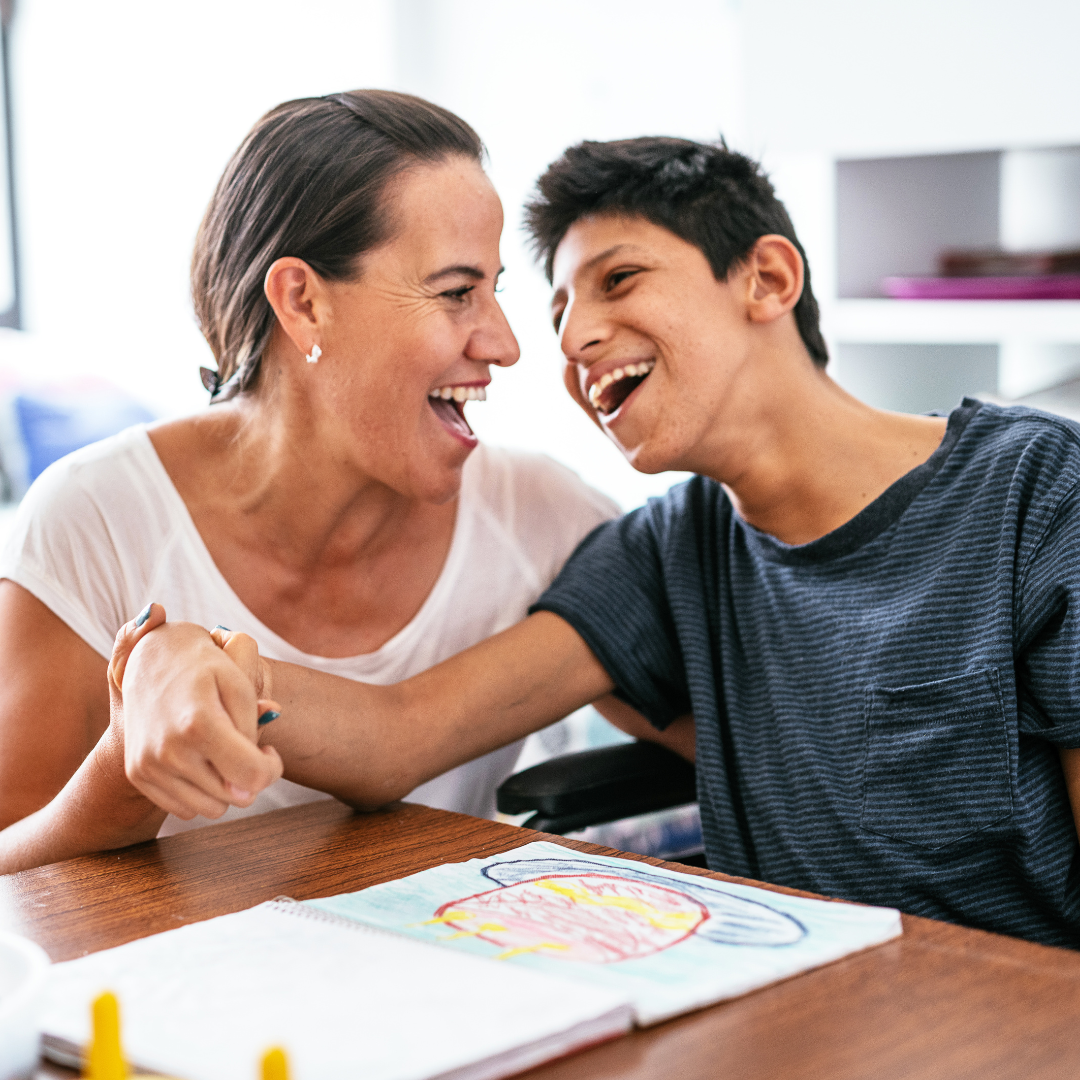

Navigating Special Educational Needs and Disabilities can feel overwhelming. Whether your child has a diagnosis, is being assessed, or you feel they need a little more support than they are currently receiving, it can be hard to know where to start or how to explain their needs. In England, the SEND Code of Practice groups needs into four broad areas: Communication and Interaction, Cognition and Learning, Social, Emotional and Mental Health (SEMH), and Sensory and/or Physical Needs. These areas aren’t labels; they help schools, professionals, and families understand support options to make learning and daily life easier. This approach supports children based on their needs, with plans reviewed regularly.
These four areas help parents and carers discuss their child’s needs with professionals. Because children’s needs are often varied and change over time, the goal is to identify what support your child most, ensuring support is well-coordinated and truly effective.
It is just as important to recognise and celebrate progress as it happens, not just at the end goals. Noticing small steps increases confidence, motivation, emotional well-being and shows children and families that their effort matters.
At SEND EDventures, we recognise parents as experts on their children. This guide clearly explains each area and offers practical strategies to help you support your child and confidently engage with schools.
Communication and Interaction
 This area is for children who find it harder to understand, use, or process language. Some struggle to express themselves, follow instructions, understand conversations, or notice social cues such as turn-taking, facial expressions, and tone of voice. Communication skills are key because they support learning, relationships, independence, and confidence both in and out of school.
Helpful support at home can include:
-using visuals such as pictures, symbols or objects of reference to support meaning
-keeping language clear and simple, with short sentences and natural pauses
-giving extra processing time before expecting a reply
-talking about feelings, expressions and social situations through play, stories, role-play or everyday moments
-noticing what helps your child communicate best and sharing this insight with their school
Cognition and Learning
This area relates to children who learn at different rates or who find thinking, remembering, problem-solving, reading, writing, or number skills more challenging than others. It includes specific learning differences such as dyslexia and dyscalculia, as well as broader learning difficulties, including moderate and severe learning difficulties or global developmental delay.
Support at home may include:
-breaking learning or tasks into small, achievable steps
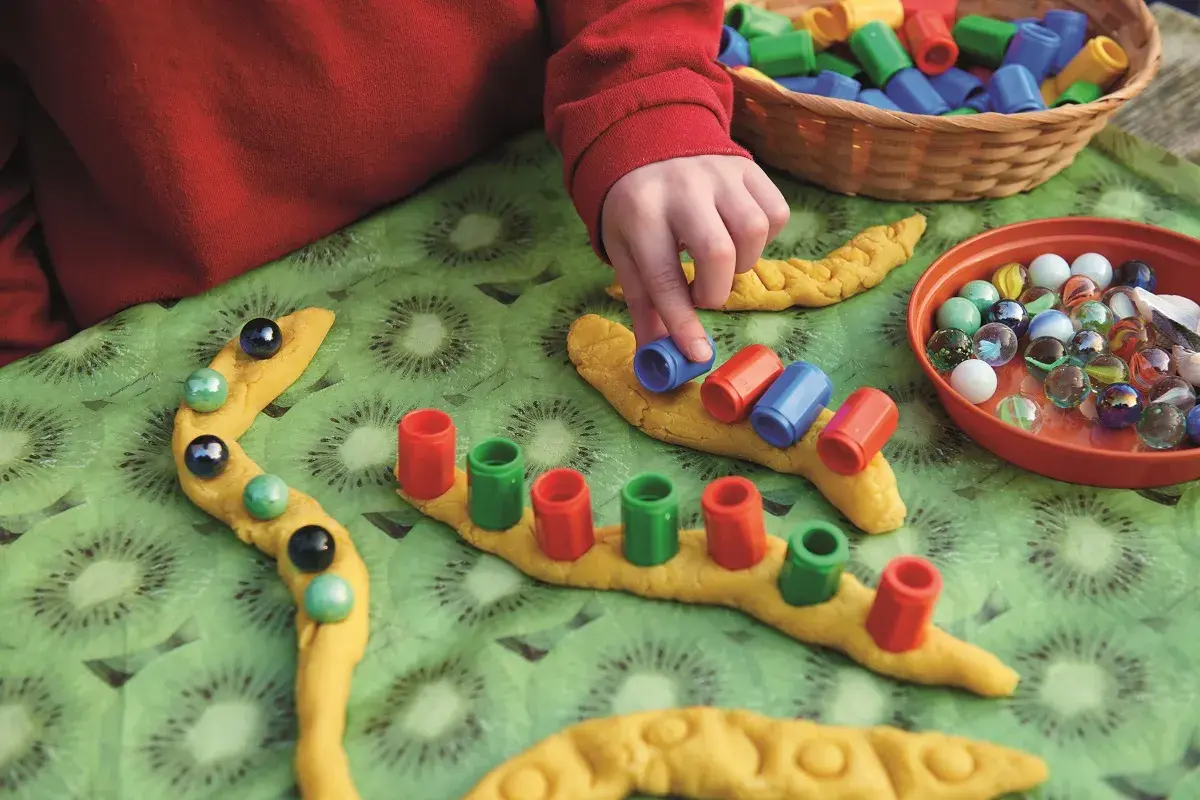
-using practical, hands-on activities alongside written work
-repeating key skills regularly so learning is remembered and reinforced
-giving plenty of time and reducing pressure where possible
-celebrating small steps, effort and independence, not only outcomes

Social, Emotional and Mental Health (SEMH)
 Some children find it difficult to manage emotions, feel safe, or cope with challenges. SEMH needs may show up as anxiety, worries, emotional overwhelm, sadness, trouble sleeping, difficulties with friendships, or behaviour that signals distress. For some, these challenges are linked with trauma, unmet needs, masking, or demanding school experiences.
Support at home may include:
-keeping routines as predictable as possible
-helping your child name and understand emotions
-teaching and practising calming strategies together
-offering reassurance and a safe place to talk when they are ready
-maintaining open communication with their school so support feels joined up
-using sensory tools or activities that support regulation, such as deep pressure, movement, quiet time or sensory play
Sensory and/or Physical Needs
This area includes children with physical disabilities, medical needs, hearing or vision impairments, or sensory processing differences. Some children can be overwhelmed by noise, light, crowds, movement, or touch, while others seek sensory input, such as pressure, movement, or chewing, to feel regulated.
Support at home may include:
-noticing what triggers discomfort and what helps your child feel comfortable
-preparing them for new places or experiences using photos, discussion or simple explanations
-building in regular movement or calming sensory breaks if helpful
-adapting parts of the home environment where possible, such as lighting or quieter spaces
-sharing what you learn at home with professionals, so support is consistent

If progress looks different for every child, what does growth and success look like for your child?
Disclaimer: The information in this article is provided for general interest and should not be considered medical, therapeutic or educational advice. Families are encouraged to seek support from qualified professionals regarding individual needs or concerns.